
Gesprek | The Making of a Global Icon: Nefertiti’s 20th-century
| Veranstaltung des Duitsland Instituut Amsterdam |
|
|---|---|
| Datum: | Donnerstag 4 Juni 2026 um 17:00 Uhr |
| Ort: | SPUI25, Spui 25-27, Amsterdam / Online |
| Information: | Voertaal: Engels. Aanmelden via de website van SPUI25 |
| Zugang: | Gratis |
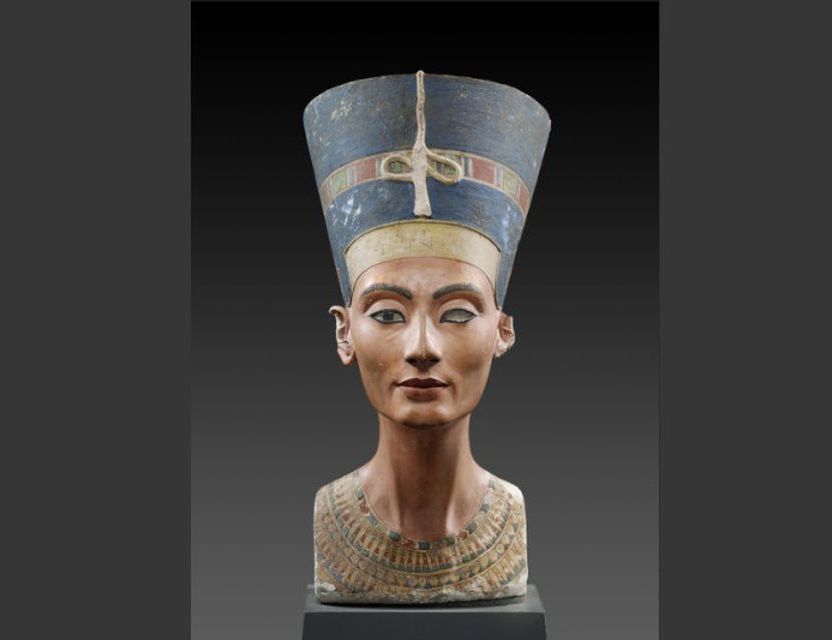
Toen de buste van Nefertiti, koningin van de 18e dynastie van Egypte, in 1912 werd ontdekt, luidde dat het begin in van een wereldwijde carrière als iconisch beeld. Ze werd - en wordt - door velen bewonderd; door nationalisten, maar ook door zangeres Beyoncé. De buste is te zien in het Neues Museum in Berlijn en is nooit teruggegeven aan Egypte. In deze lezing belicht historicus Sebastian Conrad de reis van Nefertiti en daarmee ook de verschillende vormen van globalisering, van het imperialisme tot nu toe.
De voertaal is Engels.
Nefertiti was the great royal wife of pharaoh Akhenaten. The discovery of her stucco coated limestone bust in 1912 was the beginning of a career as a global icon, used for a wide variety of purposes. The silhouette alone of this powerful Ancient Egyptian queen was recognized and admired around the world, from National Socialists and nationalists in Egypt and Bengal, to prominent Black figures such as Elijah Muhammad and Beyoncé.
Immediately after its first exhibition in Berlin in 1924, Egypt unsuccessfully demanded its restitution. Still today, the bust is the must-see museum piece of the New Museum in Berlin. Against a global backdrop, historian Sebastian Conrad showcases the stunning object’s fame and the often-controversial issues and debates in which it has been embroiled. He argues that the story of Nefertiti’s trajectory offers insights into the changing shape of globalization from the era of imperialism until now.
About the speakers
Sebastian Conrad is a leading scholar in global history. He holds the Chair of Modern History at Freie Universität Berlin and taught, among others, at the European University Institute in Florence. Conrad has been on the editorial board of prominent peer reviewed journals such as Geschichte und Gesellschaft and Contributions to the History of Concepts. Among his many books, he published What Is Global History? (2016), German Colonialism, A Short History (2012), and Globalisation and the Nation in Imperial Germany (2010). The English version of his German-language book on Nefertiti will be published this year.
Hanco Jürgens is a member of the academic staff at the Duitsland Instituut Amsterdam and a fellow at the Montesquieu Instituut. He teaches German and European history at the University of Amsterdam. Jürgens’ research focuses on the history of modern Germany in a European context. Currently, he focuses on the transformation of German society since the 1980s. He has published on a variety of topics, such as (the history of) Dutch-German relations, German EU-policy and the Franco-German relations.